

Telling scrap copper grades apart: Millberry, Clove, rectangular wire and brass
It is all copper, but each grade is worth something different. How to recognize bare bright wire, tinned copper, rectangular wire, new clippings and brass, so your scrap is prepared to standard.
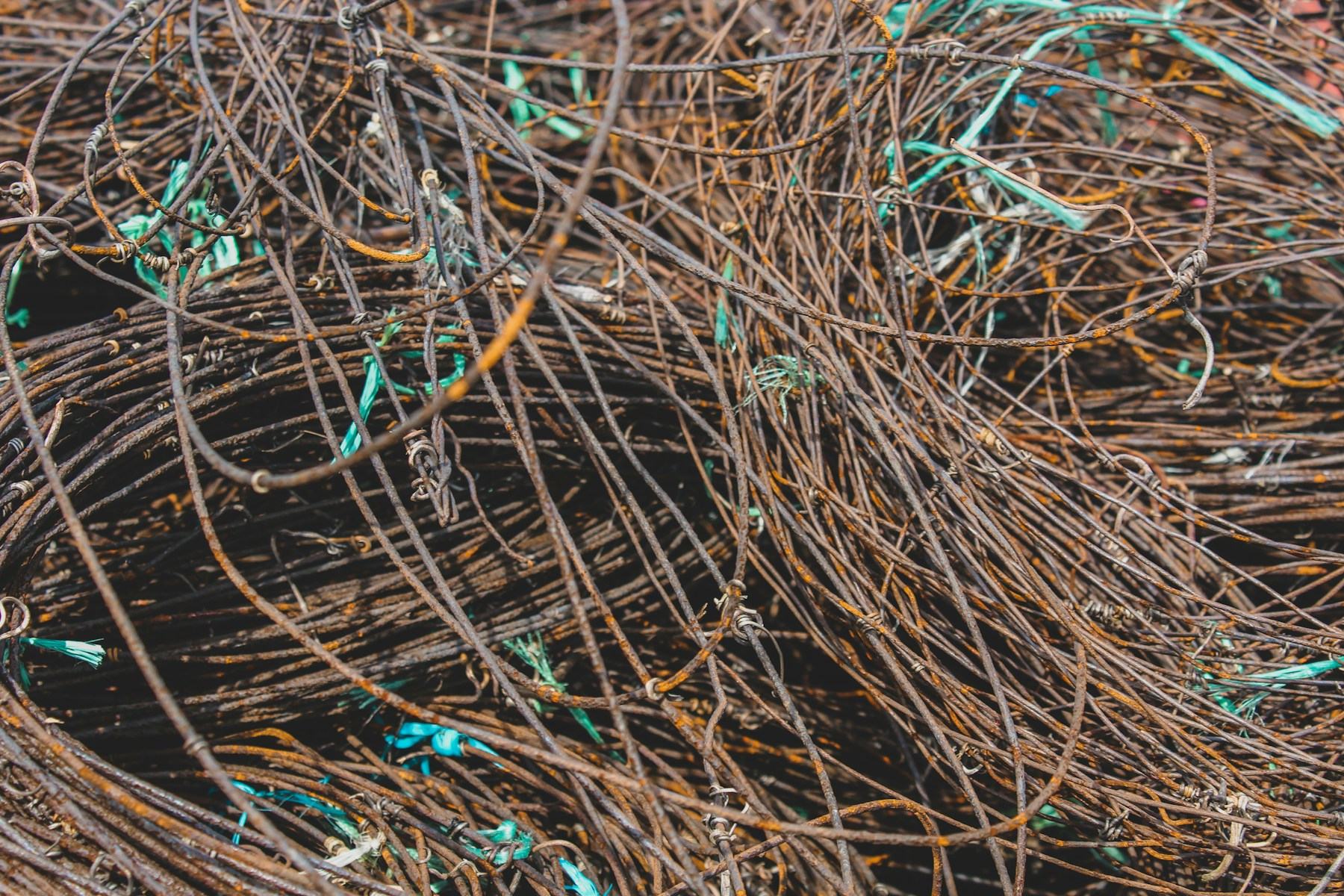
It is all copper, yet buying prices can differ considerably between bare bright wire, tinned copper, enamelled rectangular wire and brass. Knowing how to sort them helps you prepare your lot to standard and get a quote close to its real value.
Why sort scrap copper?#
The value of scrap copper depends on how much copper is recovered after smelting. Plating, insulating enamel, oil and grease or other metals mixed in all lower the recovery rate and raise processing costs, so each type is grouped and priced separately. Names such as Millberry, Barley and Clove are grades from the international scrap classification standards and are widely used in trading.
| Grade | How to recognize it | Value |
|---|---|---|
| Bare bright copper wire (Millberry, Barley) | Fully stripped, shiny copper wire, 1.3 mm in diameter or more, about 99% pure | Highest among the copper grades |
| Copper nodules (Clove) | Stripped copper wire with tin plating or a thin coating, possibly slightly tarnished | Lower than Millberry |
| Rectangular copper wire | Rectangular or square cross-section, bare or enamelled, from transformers and motors | Clean bare wire close to Millberry; enamelled wire lower |
| New copper clippings | New scrap from cutting and stamping in production; clean, not oxidized | High – little processing needed |
| Brass 70/30, 65/35 | Copper–zinc alloy as thin sheet, labels and stamping scrap | 70/30 higher than 65/35 |
| Brass 60/40 | 60% copper, 40% zinc, as sheet, labels and cutting or stamping scrap | Lower than 70/30 and 65/35 |
| Brass turnings | Chips, swarf and curls from turning, milling and drilling | Depends on how clean and dry they are |
Bare bright copper wire: Millberry and Barley#
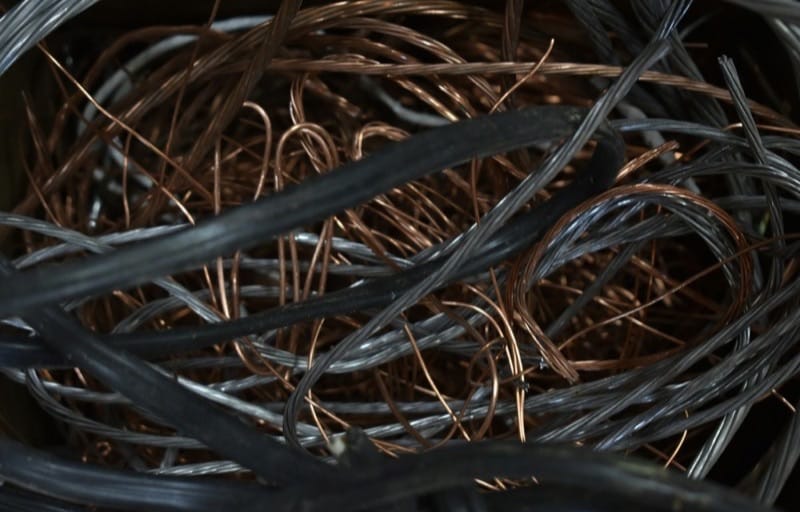
Barley (Shiny Millberry) is high-voltage copper wire with the insulation fully stripped off: a shiny surface, a diameter of 1.3 mm or more and no impurities or foreign metals at all. Its copper content is very high and it recycles with an excellent recovery rate, so it always commands a high price. See High-quality bare bright copper wire for details.
Copper nodules (Clove)#
Clove usually refers to tinned copper wire, or to bright copper that falls short of the Millberry standard because of a coating or light oxidation. It sells for less than Millberry because the tin plating has to be removed in smelting, but its quality is still high. Clove is typically recovered from:
- Control wire
- Signal wire
- Wiring inside electronic equipment
- Telecom cable
- Cable with tinned copper cores
Rectangular wire and new clippings#
Rectangular copper wire has a rectangular or square cross-section and is recovered from transformers, motors and generators. Clean bare wire usually fetches the same as Millberry or close to it; wire still carrying its insulating enamel needs processing before recycling, so it is priced lower.
New copper clippings are the scrap left over from cutting and stamping in production: unused, clean, uniform and free of oxidation, so they need little processing before smelting and are worth a high price.
Brass and other copper alloys#
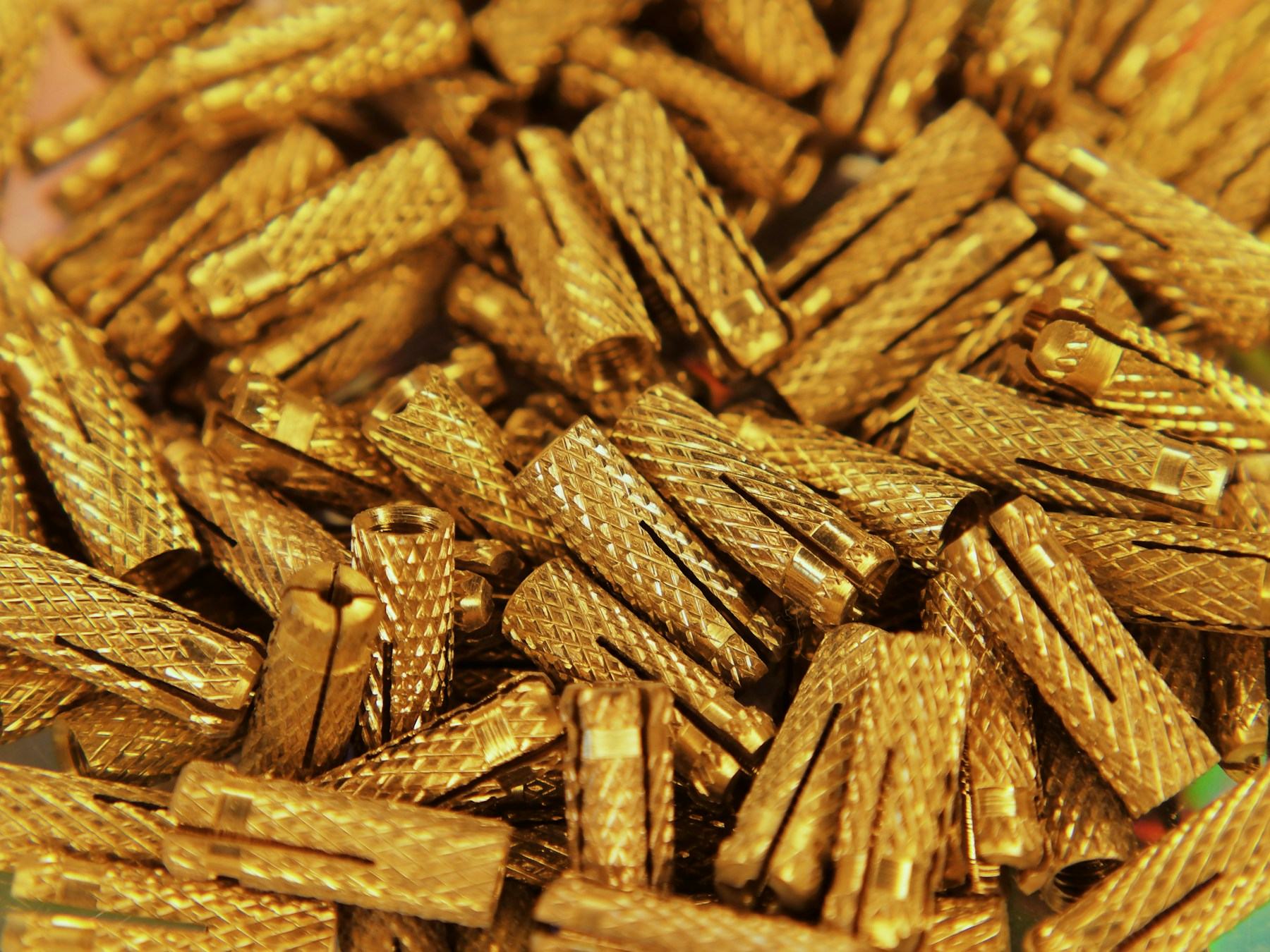
Brass is a yellow copper–zinc alloy. Its buying price depends first of all on the share of copper in the alloy:
Brass 70/30
≈ 70% Cu · 30% Zn
Has the most copper of the group, so it usually fetches the highest price.
Brass 65/35
≈ 65% Cu · 35% Zn
Usually comes as thin sheet, labels or stamping scrap from brass sheet.
Brass 60/40
60% Cu · 40% Zn
Easy to sort and smelt; priced below the two above.
Brass turnings from turning, milling and drilling fetch a good price thanks to their high copper content – the cleaner and drier they are, and the less cutting oil they hold, the higher the price. See more types in our Copper alloys category.
What lowers the value of a copper lot#
- Wire with its insulation still on, burnt (blackened) wire or heavily oxidized wire.
- Aluminium, iron, stainless steel or other metals mixed in.
- Lugs, cable ends, thick rubber and tangled bundles of wire.
- Oil and grease, paint, plastic; turnings still soaked in cutting oil and coolant.